
Choosing an Industrial Equipment Supplier: Rent or Buy
Many procurement teams across Singapore’s marine, construction, and oil & gas sectors still treat equipment ownership as the safer long-term decision, assuming that paying once beats paying repeatedly for rental in Singapore. In practice, that assumption rarely survives contact with a real project schedule.
Five assumptions come up most often on site: that storage isn’t really a cost, that maintenance is cheaper handled in-house, that a replacement unit won’t be available if a machine fails, that breakdown turnaround will be slow no matter who the supplier is, and that any technician can manage industrial-grade equipment without specific training.
Utilisation rates, maintenance obligations, and the pace at which industrial equipment depreciates in demanding environments all shift the calculation. Choosing the right industrial equipment supplier, and knowing when to rent instead of buy, matters as much as the machine specification itself.
Analysing Project Duration and Equipment Utilisation Rates
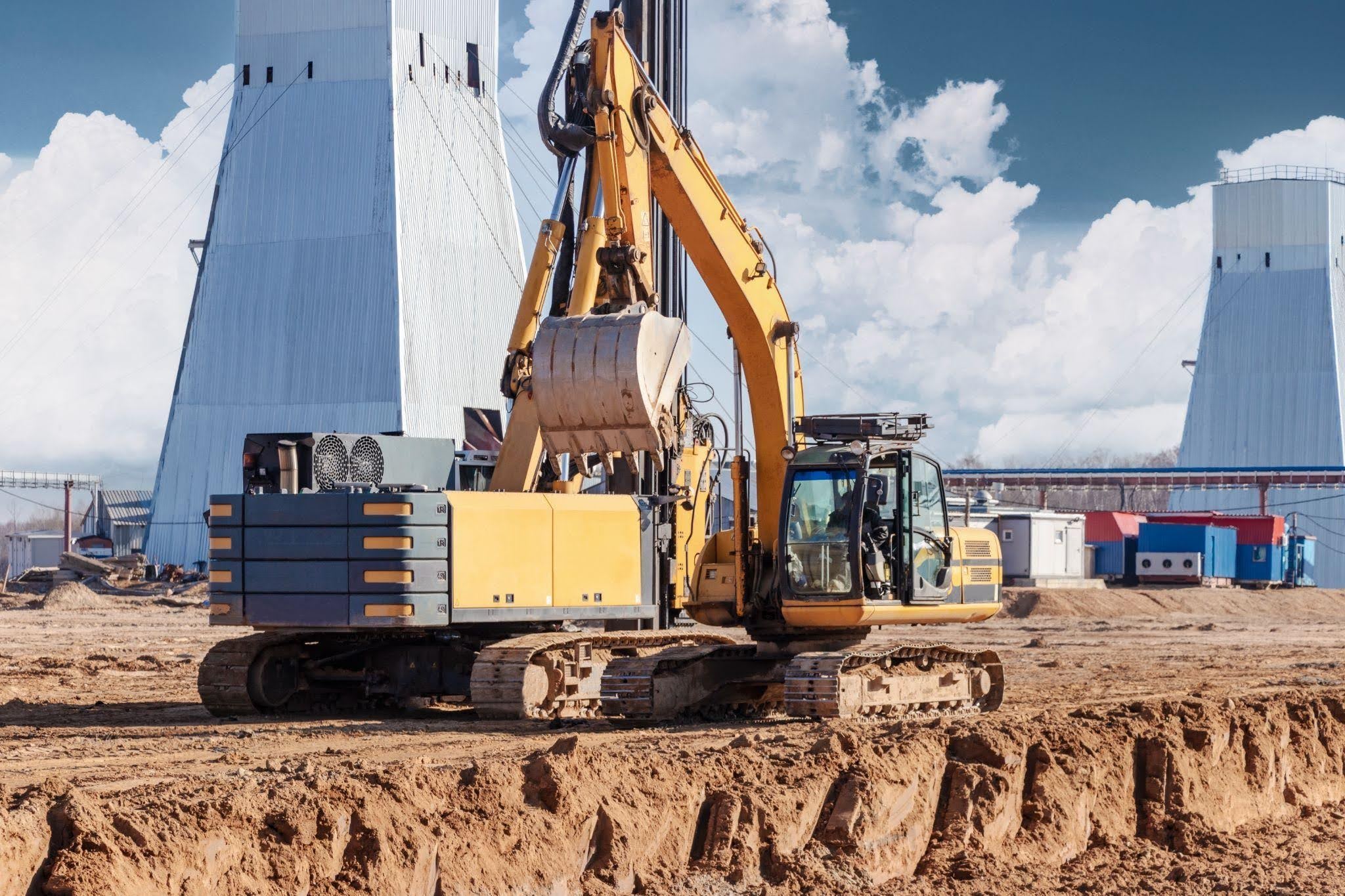
Project duration is the first filter. A six-month marine repair contract or a sudden spike in site demand rarely justifies committing capital to a machine that will sit idle once the scope closes out. Construction equipment rental in Singapore gives project teams the flexibility to scale a fleet up for a defined phase and hand it back once the work is done, without carrying the asset afterward.
Purchasing starts to make more sense once utilisation climbs toward continuous, multi-year use, where the machine runs often enough that ownership costs spread across enough billable hours to offset the capital outlay. Mapping expected usage hours against the project timeline, rather than against contract value alone, gives a clearer answer than instinct does.
Mitigating Maintenance Risks and Asset Depreciation
Renting shifts the maintenance burden back onto the equipment provider. Scheduled servicing, wear-and-tear components, and unplanned repairs become the rental company’s responsibility rather than an internal cost centre, which matters in marine, oil & gas, and construction environments where equipment runs harder and depreciates faster than published lifespans suggest.
On equipment with frequent service intervals, such as pressure washing units needing transmission fluid changes roughly every 8 operating hours, or generator fleets running best near 80% of rated capacity, that maintenance load adds up faster than most budgets account for.
Industrial machinery rental in Singapore also removes a cost that rarely appears on the initial budget: storage. Warehousing space, security, and upkeep for equipment sitting idle between projects add up quickly, and those costs disappear the moment a rented unit goes back to the supplier.
Aligning Equipment Sourcing with Capital Expenditure Constraints
Renting converts a large capital expenditure into a predictable operating expense, which simplifies budgeting for procurement teams working against tight project finances. Instead of a lump sum tied up in a single asset, construction machinery rental spreads the cost across the contract period as a line item that’s easier to forecast and easier to justify internally.
That flexibility also affects what a firm can bid for. Industrial machinery rental in Singapore lets contractors take on larger or more technically demanding projects without the upfront cash layout that outright purchase would require.
The result: more room to bid, not just more room in the budget.
Assessing the Supplier’s Rental Fleet Quality and Technical Support
Not every rental agreement is equal, even when the machine specifications look the same on paper.
Before signing a term agreement, it’s worth checking how the fleet is maintained: service intervals, spare parts availability, and how quickly a unit gets swapped out if it fails on site. A fleet spanning 5 kVA to 1,000 kVA of generator capacity, for example, gives a supplier more room to match or exceed a failed unit’s output from existing stock, rather than sourcing a replacement from scratch.
It helps to work with an established industrial machinery supplier in Singapore, since responsive technical support, not just competitive rates, decides whether a breakdown costs a few hours or a few days of downtime.
Managing industrial-grade equipment safely also depends on the people behind it, not just the machine. In Singapore, operating larger generators falls under the Licensed Electrical Worker framework, where a Grade 8 LEW is capped at 500 kVA of operational load.
A supplier’s in-house technical team, not only its fleet size, determines whether that expertise is on hand when a project needs it.
The Value of a One-Stop Rental, Sales, and Service Partner
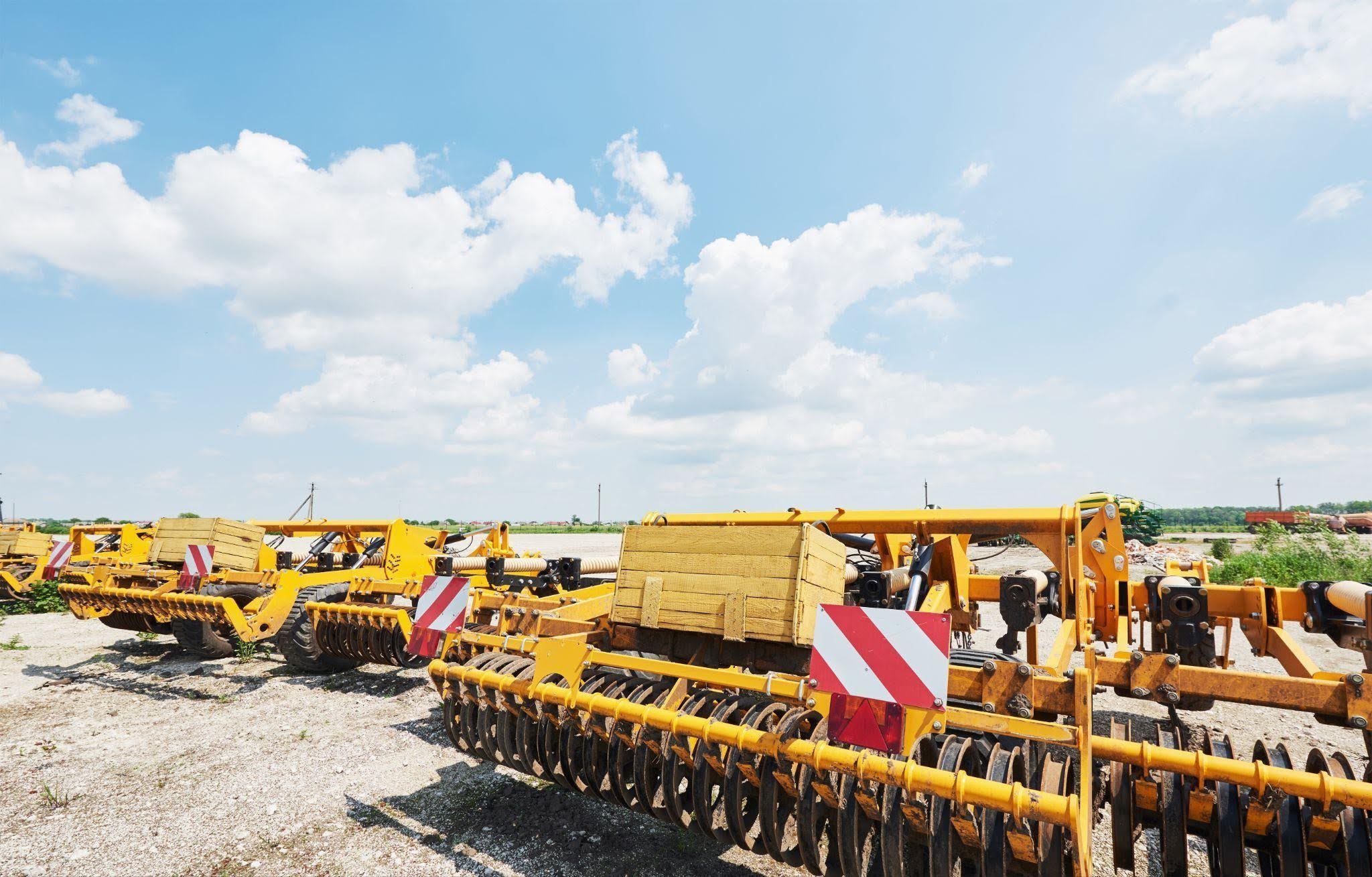 A one-stop partner that offers rental, sales, service and repair under one roof adds a layer of flexibility that purchase-only or rental-only suppliers can’t match. If a purchased machine needs an overhaul, a loaner unit keeps the site running in the meantime rather than sitting idle waiting for parts.
The same partner can also scale equipment supply up or down as a project moves through different phases, with one point of contact for both technical troubleshooting and commercial questions instead of separate vendors for each.
Lincoln Machinery Pte Ltd supports procurement teams and project engineers across Singapore’s marine, oil & gas, and construction sectors with industrial machinery rental, sales, servicing, and repair under one roof. Contact our team to discuss the right equipment rental or purchase decision for your next project phase.